How Browser-Based Quantum Encryption Eliminates the Key Distribution Problem
Key distribution has been the hardest problem in cryptography for centuries. Browser-based encryption with pre-shared passphrases solves it without key servers or quantum channels.

The Oldest Problem in Cryptography
Key distribution is the oldest and hardest problem in cryptography. Before public-key cryptography was invented in the 1970s, two parties who wanted to communicate securely had to physically exchange a key, through a courier, a diplomatic pouch, or a face-to-face meeting. The key had to reach every endpoint securely, and historically this was the most challenging part of any encryption system.
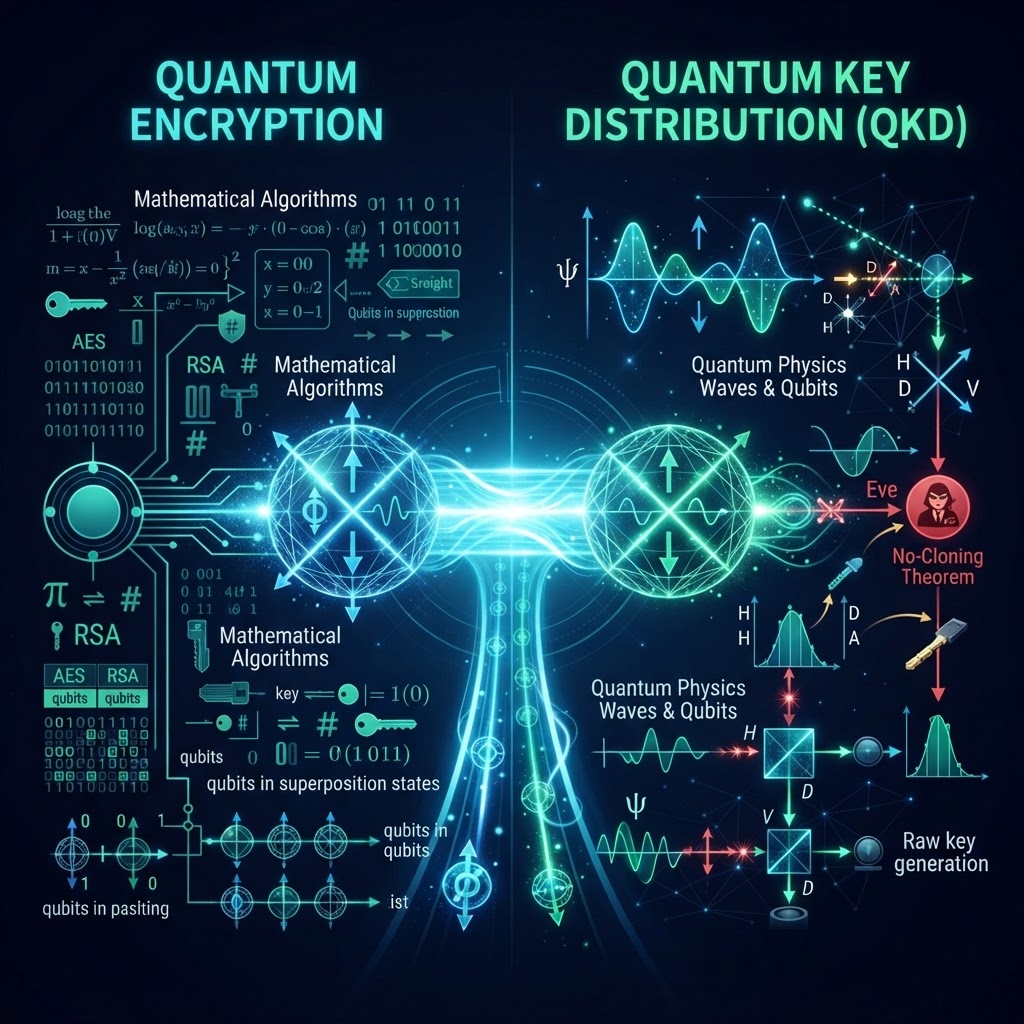
Public-key cryptography, RSA and ECC, solved this by allowing key exchange over insecure channels. But it introduced a new vulnerability: the mathematical problems these algorithms rely on, integer factorization and discrete logarithms, are exactly what quantum computers will break with Shor's algorithm.
This means the key distribution problem is returning. As quantum computers approach practical capability, the public-key infrastructure that the internet relies on for key exchange will become insecure. Organizations will need a new approach.
The Pre-Shared Secret Solution
Browser-based quantum encryption offers a fundamentally different approach to key distribution: it eliminates the need for it entirely. Instead of distributing keys through a cryptographic protocol, the user and their recipient agree on a passphrase in advance, through any secure channel they choose. This is called a pre-shared secret.
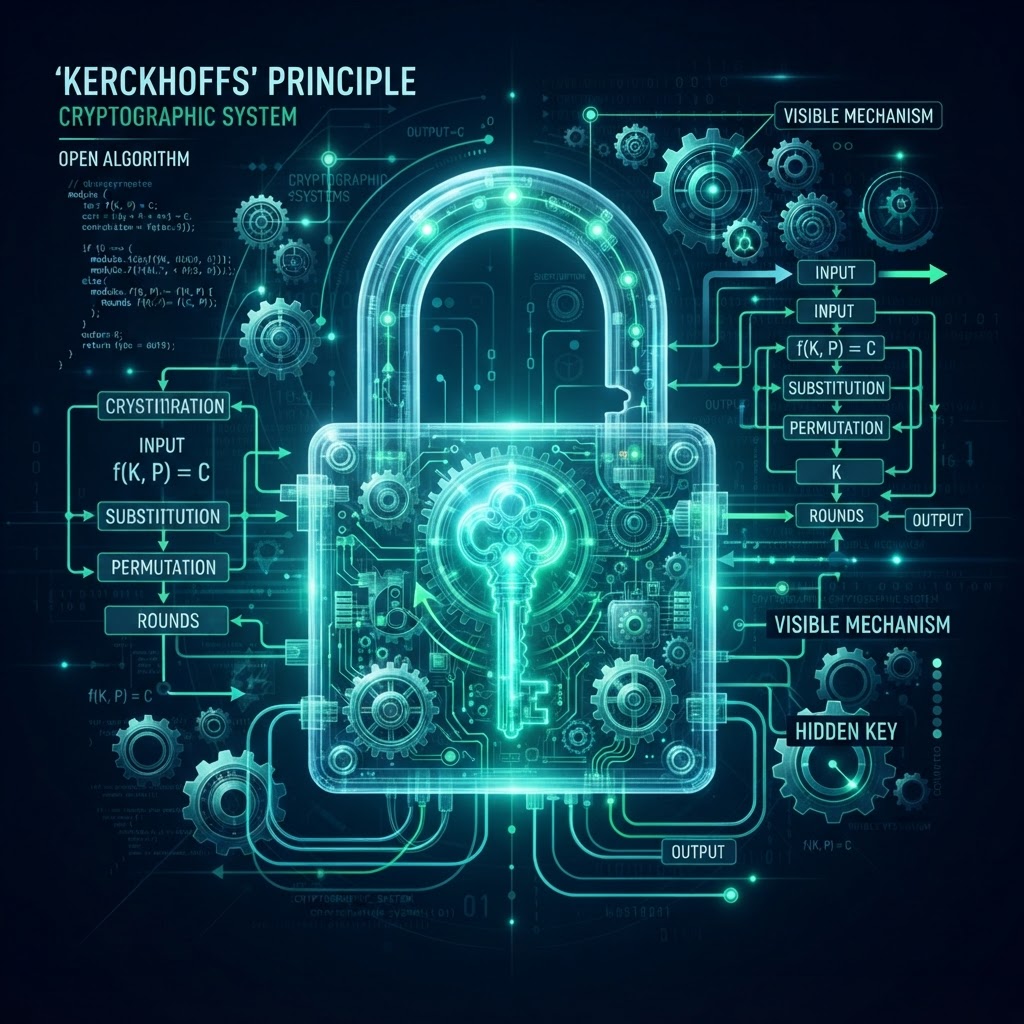
The passphrase is not the encryption key itself. CryptShield uses PBKDF2 with a random salt to derive a 256-bit AES key from the passphrase. The salt is stored in the encrypted file header, so the recipient does not need to know it. They only need the passphrase. The key derivation happens locally, on each device, at the moment of encryption or decryption.
This approach has several advantages over key distribution infrastructure:
- No key servers: There is no centralized infrastructure to compromise, attack, or subpoena.
- No protocol vulnerabilities: There is no key exchange protocol for an attacker to intercept or exploit.
- No technology to distribute keys: There is no need for hardware tokens, smart cards, or secure enclaves.
- Human-memorable secrets: The passphrase can be remembered and changed at will, with no written notes required.
How CryptShield Implements This
When a user encrypts a file with CryptShield, the passphrase is combined with a cryptographically random salt and processed through PBKDF2 with hundreds of thousands of iterations. This produces a 256-bit key used for AES-256-GCM encryption. The salt and IV are stored in the file header. The recipient, using the same passphrase, regenerates the same key and decrypts the file.
The passphrase itself never leaves either device. It is never transmitted, never stored, and never written to disk. It exists only in the memories of the two parties who agreed on it. This is the total absence of key management needs: no generation protocols, no exchange infrastructure, no storage systems, no destruction procedures.
Key Takeaways
- Key distribution has been cryptography's hardest problem for centuries, and quantum computers will break the public-key solutions currently in use.
- Pre-shared secrets eliminate key distribution entirely by having parties agree on a passphrase out-of-band.
- CryptShield derives AES-256 keys from passphrases using PBKDF2, requiring no key servers or exchange protocols.
- The passphrase never leaves the user's device, creating a total absence of key management infrastructure.
Protect your data with quantum-resistant encryption
Encrypt files and text in your browser with AES-256-GCM — zero servers, zero knowledge.
Try CryptShield Now